Ag-Life

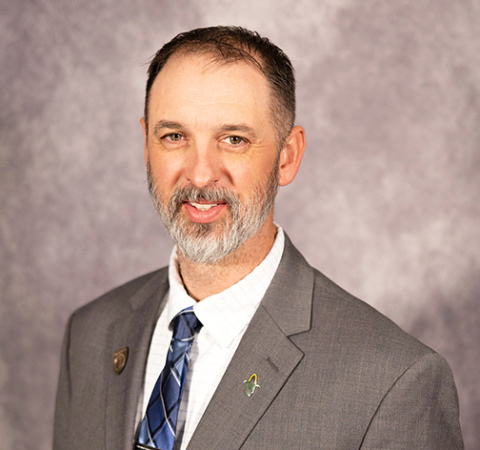
Local feedlot owner Preston Franzen stands near the feeding bunk of a pen of feeder calves at his Franzen Feeders yards near Stockham. As a former Western Nebraska ranch kid and now the president of the York-Hamilton County Cattlemen, he loves to talk about the challenges, opportunities and future of the beef industry.

Local feedlot owner Preston Franzen stands near the feeding bunk of a pen of feeder calves at his Franzen Feeders yards near Stockham. As a former Western Nebraska ranch kid and now the president of the York-Hamilton County Cattlemen, he loves to talk about the challenges, opportunities and future of the beef industry.

Cattlemen president talks beef’s challenges, opportunities

With continually rising demand for beef among consumers worldwide and consistently high prices for beef at the grocery store, one might think anyone involved in the cattle industry would be riding high right now.
Ethan Freese uses a tool called a drip torch to drop burning fuel into the dry grass at Gjerloff Prairie on April 30 as part of a controlled burn.

Ethan Freese uses a tool called a drip torch to drop burning fuel into the dry grass at Gjerloff Prairie on April 30 as part of a controlled burn.

PPRI conducts control burn on Gjerloff Prairie

Fire and grazing are considered important management tools for Prairie Plains Resource Institute and for other organizations involved in prairie conservation, thus recent rains have provided the green light necessary to proceed with cautionary control burn plans.
Sarah Bailey, PPRI’s conservation and education director, helps with a control burn April 30 on the Gjerloff Prairie west of Marquette.

Sarah Bailey, PPRI’s conservation and education director, helps with a control burn April 30 on the Gjerloff Prairie west of Marquette.

PPRI conducts control burn on Gjerloff Prairie

Fire and grazing are considered important management tools for Prairie Plains Resource Institute and for other organizations involved in prairie conservation, thus recent rains have provided the green light necessary to proceed with cautionary control burn plans.
Weather, drought and the daily demands of farming and ranching can take a toll on mental well-being. Healthy coping strategies, support resources and early recognition of stress can help Nebraska producers protect their health, their families and their operations.

Weather, drought and the daily demands of farming and ranching can take a toll on mental well-being. Healthy coping strategies, support resources and early recognition of stress can help Nebraska producers protect their health, their families and their operations.

Keeping stress in check: Strategies, tools that can help

In Nebraska, weather-related challenges are a reality. Wind, fire and hail can strike suddenly and leave devastation behind. Drought, on the other hand, can develop slowly and persist for months or even years. Stress often follows a similar pattern.
  A Case IH 2388 combine with a John Deere 1293 corn head is shown outside the Bish Enterprises shop in this photo from the late 1990s to early 2000s. (Bish Enterprises photo)

A Case IH 2388 combine with a John Deere 1293 corn head is shown outside the Bish Enterprises shop in this photo from the late 1990s to early 2000s. (Bish Enterprises photo)

Bish Enterprises to celebrate 50 years of ag innovation

When Harvey “Harv” Bish started Harv’s Farm Supply in Giltner in 1976 he says he had no idea it would still be in business 50 years later, much less that it would have become a globally recognized name in agricultural innovation, with a third generation of his family in charge.
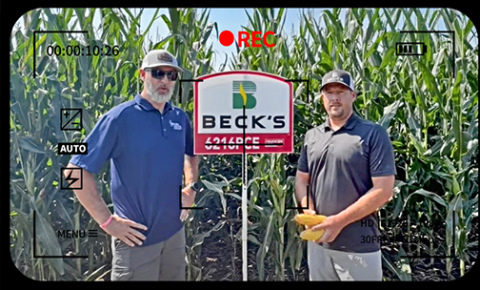
Beck’s plant manager Ryan Petr stands in front of a seed corn bagging/boxing machine in the huge processing facility near Phillips. Though empty now, the plant will begin to fill up with locally harvested seed corn starting in September.

Beck’s plant manager Ryan Petr stands in front of a seed corn bagging/boxing machine in the huge processing facility near Phillips. Though empty now, the plant will begin to fill up with locally harvested seed corn starting in September.

Beck’s seed corn plant prepares for ‘26 growing season

Six months into the change of ownership of the Beck’s seed corn plant at Phillips (formerly Syngenta), noticeable changes have taken place inside the vast complex of buildings along Highway 34, and more changes are in the offing for the future.
Along with the excitement and enthusiasm produced by the advent of a new planting season often come anxiety and depression brought on by the uncertainties and increased isolation that come with it. Counselor Annie De La Cruz of Seeds of Change Counseling says farmers and their families need to be aware of the warning signs of depression.

Along with the excitement and enthusiasm produced by the advent of a new planting season often come anxiety and depression brought on by the uncertainties and increased isolation that come with it. Counselor Annie De La Cruz of Seeds of Change Counseling says farmers and their families need to be aware of the warning signs of depression.

Planting season brings pressure alongside promise for farmers

Spring is an exciting time for people in the ag industry. Those who raise row crops are anxious to get seed in the ground in anticipation of seeing seedlings appear in a few weeks. Likewise, those who raise livestock enjoy the anticipation of seeing new babies running around.
How farmland is titled can significantly affect whether heirs receive a full, partial, or no stepped-up basis. Understanding these ownership structures can help Nebraska farm and ranch families make more informed transition and estate planning decisions.

How farmland is titled can significantly affect whether heirs receive a full, partial, or no stepped-up basis. Understanding these ownership structures can help Nebraska farm and ranch families make more informed transition and estate planning decisions.

How land title affects stepped-up basis for NE farms

For many Nebraskans, agricultural land is the most valuable asset they own. While much attention is given to who will inherit land, how the land is titled can be just as important, especially when it comes to whether heirs receive a full stepped-up basis, a partial step-up, or no step-up at all.
The latest Nebraska Drought Monitor Map shows 99 percent of the state to be abnormally dry, with most of Hamilton County in Severe Drought (D2) and a portion along the Platte River on the northwest side of the county is in D3, Exceptional Drought.

The latest Nebraska Drought Monitor Map shows 99 percent of the state to be abnormally dry, with most of Hamilton County in Severe Drought (D2) and a portion along the Platte River on the northwest side of the county is in D3, Exceptional Drought.

Drought Monitor shows county in D2, D3 categories

In one sense Nebraska’s unseasonably warm and dry weather since the first of the year has been a blessing. However, farmers and ranchers living in western Nebraska where fires have destroyed hundreds of thousands of acres of last summer’s grass will be quick to say otherwise.
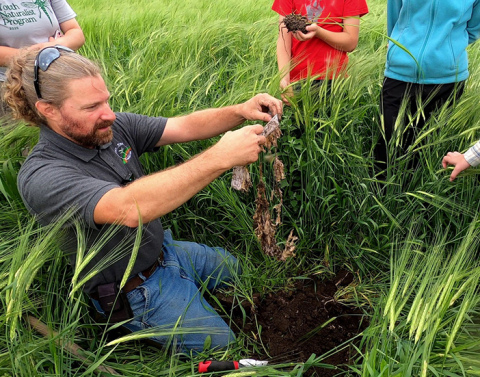
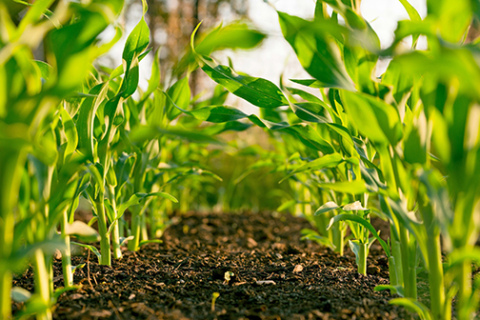
At its core, the growing regenerative ag movement is about restoring what makes Nebraska agriculture possible in the first place: healthy soil. Farmers are turning to cover crops, no-till systems, and diverse crop rotations to combat erosion, improve water infiltration during both droughts and floods, and rebuild soil structure.

At its core, the growing regenerative ag movement is about restoring what makes Nebraska agriculture possible in the first place: healthy soil. Farmers are turning to cover crops, no-till systems, and diverse crop rotations to combat erosion, improve water infiltration during both droughts and floods, and rebuild soil structure.

Back-to-basics approach to farming grows in Nebraska

Regenerative agriculture is gaining real momentum in Nebraska as producers search for ways to stay profitable in a very tough economic environment.Farmers are facing a significant financial squeeze in 2025–2026, driven by high production costs, low commodity prices, and rising debt.