Ethan Freese uses a tool called a drip torch to drop burning fuel into the dry grass at Gjerloff Prairie on April 30 as part of a controlled burn.
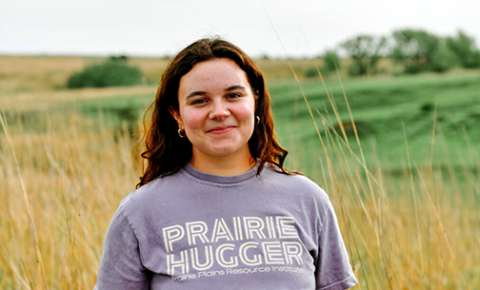
Sarah Bailey, PPRI’s conservation and education director, helps with a control burn April 30 on the Gjerloff Prairie west of Marquette.
Weather, drought and the daily demands of farming and ranching can take a toll on mental well-being. Healthy coping strategies, support resources and early recognition of stress can help Nebraska producers protect their health, their families and their operations.
A Case IH 2388 combine with a John Deere 1293 corn head is shown outside the Bish Enterprises shop in this photo from the late 1990s to early 2000s. (Bish Enterprises photo)
Beck’s plant manager Ryan Petr stands in front of a seed corn bagging/boxing machine in the huge processing facility near Phillips. Though empty now, the plant will begin to fill up with locally harvested seed corn starting in September.
Along with the excitement and enthusiasm produced by the advent of a new planting season often come anxiety and depression brought on by the uncertainties and increased isolation that come with it. Counselor Annie De La Cruz of Seeds of Change Counseling says farmers and their families need to be aware of the warning signs of depression.
How farmland is titled can significantly affect whether heirs receive a full, partial, or no stepped-up basis. Understanding these ownership structures can help Nebraska farm and ranch families make more informed transition and estate planning decisions.
The latest Nebraska Drought Monitor Map shows 99 percent of the state to be abnormally dry, with most of Hamilton County in Severe Drought (D2) and a portion along the Platte River on the northwest side of the county is in D3, Exceptional Drought.
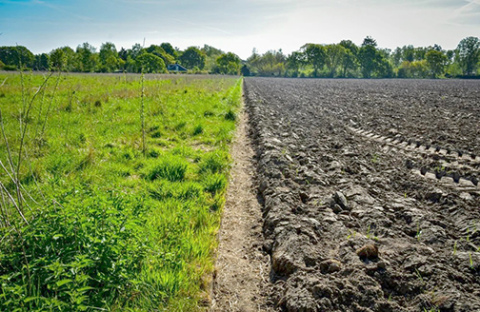
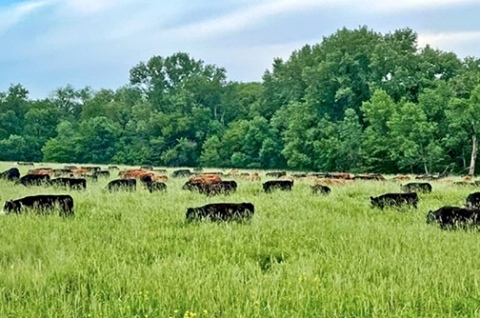
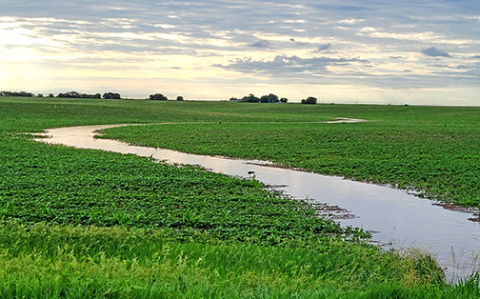
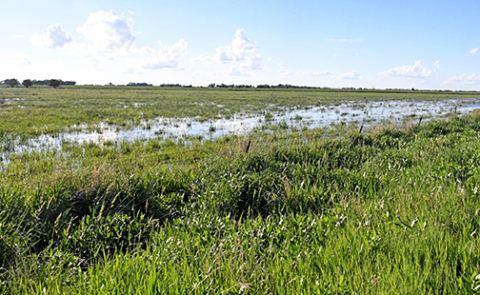
At its core, the growing regenerative ag movement is about restoring what makes Nebraska agriculture possible in the first place: healthy soil. Farmers are turning to cover crops, no-till systems, and diverse crop rotations to combat erosion, improve water infiltration during both droughts and floods, and rebuild soil structure.
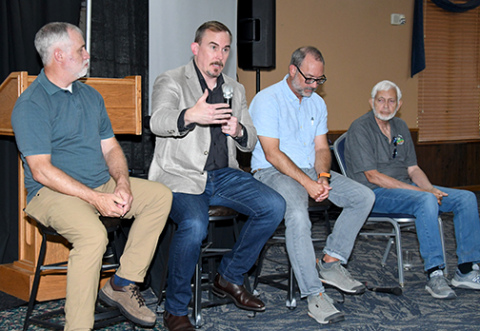
Regional Extension Economist Anastasia Meyer tells an audience in Aurora last week that planning for passing along a farm to the next generation should include discussions about business, estate planning and the farm owner’s sunset years.