
Recent research shows diets rich in beef build stronger, leaner bodies
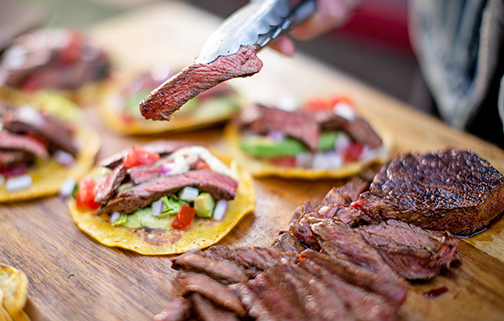
Editor’s note: As noted in last week’s Ag Life article on the challenges and opportunities in the beef industry right now, beef itself is more in demand than ever, even in a time of rising prices at the meat counter. Part of the reason for that, as stated by local cattle feeder Preston Franzen, is the fact that beef has shed its “unhealthy” stigma of a few years ago because a growing body of research has shown it is indeed one of the best ways to build protein into a healthy diet.
As we come to the close of National Beef Month, ANR presents this article on the health benefits of beef, compiled from articles found at the Nebraska Beef Council website at nebeef.org.
If there was a protein contest, beef would surely be crowned the king! Among the powerful package of 10 essential nutrients beef is known for, protein may be one of the most notable. In fact, one 3 oz cooked serving of beef provides 50 percent of your daily value (25 grams) of this important nutrient—making it an excellent source!
A wealth of research has linked protein to favorable lifestyle markers such as healthy body weight and/or weight loss, maintaining and building muscle, and overall diet satisfaction. When you’re looking for ways to improve your health, manage your weight or satisfy your appetite, consider all that protein can do for you.
Feeling hungry?
People who eat a higher-protein diet (about 30 percent of daily calories from protein) feel more satisfied, which may help prevent overeating.
Protein helps support strong, lean bodies
Eating at least four ounces of high-quality protein from foods like beef at each meal provides your body with energy to lead an active lifestyle.
Protein may help cut the fat
Research has shown exercise is more effective for weight management when paired with a higher-protein diet, and beef provides the amino acids necessary for building and replenishing muscles.
Consider the following benefits of adding beef as a high quality protein to your daily diet:
* A three ounce serving of beef provides 25 grams of protein (50 percent of your recommended daily value of protein) and 10 essential nutrients in one tasty package.
* Get more from your workout! Studies show exercise is more effective when paired with a higher-protein diet and beef provides the amino acids necessary for building and replenishing muscles.
Protein throughout the day
Ditch those fad diets and consider how we fill our plates at each meal. It’s not only important to just get protein in at dinner or lunch, but to spread it throughout your day. This can really maximize the benefits above. Aim for 25-30 grams of protein at each meal and you’ll start to feel the difference.
And how does beef stack up against plant-based proteins as far as the calories to protein ratio? Let’s look:
To get the 25g of protein you get from just three ounces (173 calories) of beef a person would have to eat three cups of Quinoa (666 calories), 6.5 tablespoons of peanut butter (613 calories), 1-2/3 cups of black beans (379 calories), or 1-1/3 cups of edamame (249 calories).
Heart healthy beef
Eating for a healthy heart and enjoying one of your favorite foods — these two things don’t have to be at odds with one another! Recent research1 shows that eating lean beef as part of a heart healthy dietary pattern can help maintain normal cholesterol levels.
In a study published in the American Journal of Clinical Nutrition, researchers from Penn State University found that people who participated in the Beef in an Optimal Lean Diet (BOLD) Study maintained healthy blood cholesterol levels while consuming a dietary pattern rich in vegetables, fruits, whole grains, nuts and beans, with lean beef as the primary protein source. The BOLD diets contained 4-5.4 oz (weights before cooking) of lean beef daily, while providing less than 7 percent of calories from saturated fat, consistent with current fat intake targets. The BOLD study is one of the latest additions to the body of evidence that supports including lean beef in a heart-healthy diet.
Getting to the meat of the Mediterranean Diet
Additional research, published in the American Journal of Clinical Nutrition, found that following a Mediterranean-style healthy dietary pattern that incorporates fresh lean beef can reduce heart disease risk factors, including total and LDL cholesterol, and blood pressure. By incorporating 7-18 ounces of cooked, fresh, lean red meat per week, individuals can improve their cardiometabolic disease risk factor profile including high blood pressure, low HDL cholesterol and diabetes risk.2
The Beef WISE study, conducted by the University of Colorado Anschutz Health and Wellness Center, also demonstrates that eating lean beef four or more times a week, as part of a healthy, higher-protein diet, combined with physical activity, can help people lose weight and fat mass while maintaining lean muscle, and supporting heart health. This study shows that lean beef is just as effective as other protein choices to improve weight loss potential, body composition and support heart health, when included as part of a healthy, higher-protein diet.
This research adds to the growing body of scientific evidence demonstrating that lean beef can be part of healthy eating patterns to improve cardiovascular health.1,2,4,5 In fact, over 20 studies of lean beef in healthy dietary patterns support a role for lean beef in a heart healthy diet and lifestyle.
Beef as part of a heart-healthy lifestyle
Incorporate lean beef into your lifestyle by following these simple tips:
* Choose lean beef at the meat counter. There are more than 36 cuts of beef that meet government guidelines for lean. A tip for finding lean beef cuts is to look for the terms “round” or “loin” (e.g.: Sirloin, Tenderloin, or Eye of Round).
*Keep portion size in mind. A sensible and satisfying 3 ounces cooked serving of lean beef is about the size of a deck of cards.
*Trim away visible fat from cooked beef before serving.
When it comes to lowering cholesterol, small steps can get big results. The American Heart Association recommends eating a variety of nutritious foods from all the food groups. When choosing meats, choose the leanest cuts available, trim visible fat and prepare them in healthy and delicious ways like broiling, roasting or poaching and pairing them with fiber rich vegetables, fruits and whole grains.
A variety of delicious beef recipes can be found at nebeef.org.