
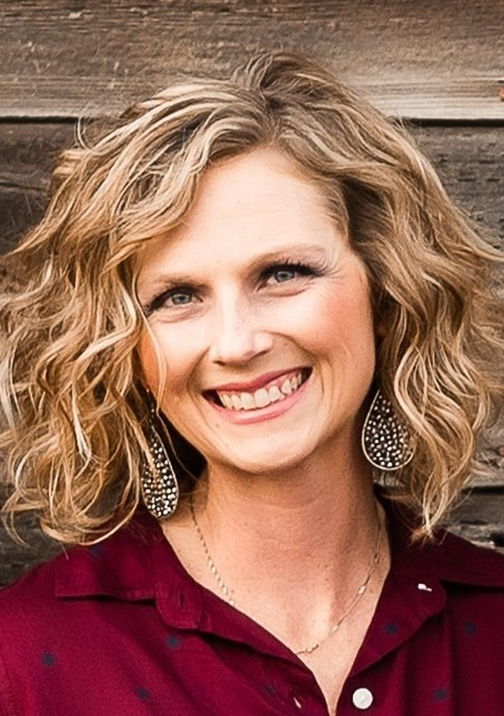
Earlier this month I had the opportunity to attend the National Rural Economic Developers Association (NREDA) Conference in Omaha thanks to scholarships from NREDA and the Nebraska Economic Developers Association (NEDA). This was my first time attending this conference, so I wasn’t sure what to expect, but all my expectations were exceeded.
The NREDA is a member organization that focuses specifically on rural development and provides education, information on rural issues, as well as networking opportunities to its members. One of the aspects I enjoyed the most was that every person that I talked with, no matter the state they were from, was from a community around the size of Aurora. When we talked about membership, business development and local business support, many communities had similar stories because of their size and location.
A large part of what we do in economic development is learning from our peers, and while we have a strong network in Nebraska sometimes those connections are too close to home, so it is hard to share details with communities who may be competing against you for a project. Going to a conference with individuals from across the nation widened that network and allowed me access to new and different perspectives to learn from.
Another aspect of the NREDA conference that I really enjoyed was the mobile classrooms that took place one morning. We had a choice between four different tours that explored different topics. Since one of Aurora’s highest ranking target industries is food manufacturing, I am always looking for ways to add value to our agriculture sector, so I decided to go on a tour of Lincoln Premium Poultry in Fremont. This was a unique opportunity because we had already listened to a panel on how the company, which provides chicken only to Costco, started and the economic impact it has had on the State of Nebraska.
For those interested in statistics, Lincoln Premium Poultry began construction in 2017 and opened in 2019. This was a $550 million project including a processing plant, feed mill and hatchery. An additional $450 million was invested by farmers for growing facilities within a 60-mile radius. This company has a $1.2 billion economic impact in the region and accounts for 1 percent of the state’s GDP.
For the tour I went on, we focused on the processing facility itself. While I have toured local meat processing facilities, like the Aurora Meat Block, I had never toured a larger facility like this, and I was not sure what to expect. We saw 90 percent of the butchering process for a facility that processes 400,000 birds a day. I was impressed with the detail that was taken in making it a humane, clean process that had far more automation than I was expecting. Individuals who worked there loved their job and are very proud about providing a quality product to consumers.
As we left the tour, I was having a conversation with another person from the conference, and she made the comment that she might need to wait a little while before she eats chicken. I laughed commenting that my initial reaction was that I needed to get a Costco membership. While we had different reactions to seeing that facility, it was obvious on our tour that the Lincoln Premium Poultry model, starting with a nutrient dense corn and soybean diet from local farmers to the high-quality processing techniques, are key components to creating a premium product.
I don’t believe that Hamilton County could or should try to attract a large processing facility that employs over 1,000 people, as we just don’t have the workforce to handle it. However, with agriculture as our largest industry, it is important for us to understand how facilities like this impact the supply and demand of the commodities we produce. We need to continue to explore ways to diversify the number of end users we have for the products we produce, and this tour provided a great example of one of the many opportunities for value-added agriculture in our state.
KELSEY BERGEN serves as executive director of the Aurora Development Corporation. She can be reached at kelsey@growaurora.com
Conference offers fresh perspective on value-added ag companies
Body