
I read an article recently which pointed out that economic developers often explain their profession under the assumption that the listener is already knowledgeable about economic development and everything it entails. Looking back at my past articles in this newspaper, I easily fall into this category, so I have been thinking about what topics I can share that will help bridge this gap.
One topic that keeps coming to mind is the trust that is built between local economic development organizations (EDO) and a new business bringing primary jobs to town -- primary jobs and secondary jobs will be another topic, so stay tuned. When the public hears about a new business coming to town, the company and the EDO have already been working together for several months if not years, so they know each other well.
This is what the process usually looks like and how trust is built.
The first interaction is a packet of information about Aurora that is sent to the company directly or through a state organization like Nebraska Department of Economic Development. Some communities are eliminated at this point and some move forward to provide more information or schedule an introduction. During this phase, the EDO wants to make sure the new company will be a good fit for the community and the business fits within the local strategic plan. The company is also doing research to make sure they will be able to find skilled employees and that they fit well in the business sector of that specific community.
This information is usually shared during an introductory call, which is typically happening with multiple communities at the same time. I have participated in more than 20 of these calls and have had several projects end after the first introduction because the company wasn’t a good fit for Aurora or Aurora wasn’t a good fit for the company.
The second phase is when the company narrows their search to which specific community they want to move forward with for their development. This usually happens after the company makes a trip to the community. During this visit the EDO shows available sites, talks about the local businesses and shows the local quality of life. It is also likely that the EDO will make a trip to the company’s headquarters or a similar facility to meet with company employees and see what the new development will entail.
The third phase is when a community has been selected and the technical planning begins. At this point the EDO and the company start having weekly calls to communicate on a variety of items like purchase agreements, infrastructure development, state incentives, timelines, permitting and all the other steps that need to be addressed. This is also the point when managers and other employees who may be relocated are given tours of the community. The project is also announced to the public at some point during this phase.
When you don’t work in economic development, it might seem like the public announcement is the start of a project, but it is more like the halfway point.
Using Specialty Ag Formulations as a recent example, I can share that two community packets were sent to the company, we hosted the management team for a tour in Aurora once and they made several independent visits on their own. We traveled to Springfield, Ill., twice to visit their headquarters office and do a facility tour, and we had weekly virtual meetings for almost a year to organize the details. During that time I talked with members of their management team more often than my own family members.
Building trust is a two-way street for both the community and the company. The company needs confidence that Aurora is a place where they can successfully invest, grow, and support their employees, while the community needs confidence that the company will be a responsible corporate citizen, create quality jobs, and contribute positively to our local economy. That level of trust isn’t built overnight; it develops through months of honest conversations, problem-solving, and getting to know one another.
By the time a project is announced publicly, both sides have already invested significant time and effort into building a relationship. Understanding that process helps explain why economic development is about much more than recruiting businesses. It’s about creating lasting partnerships that benefit our community for years to come.
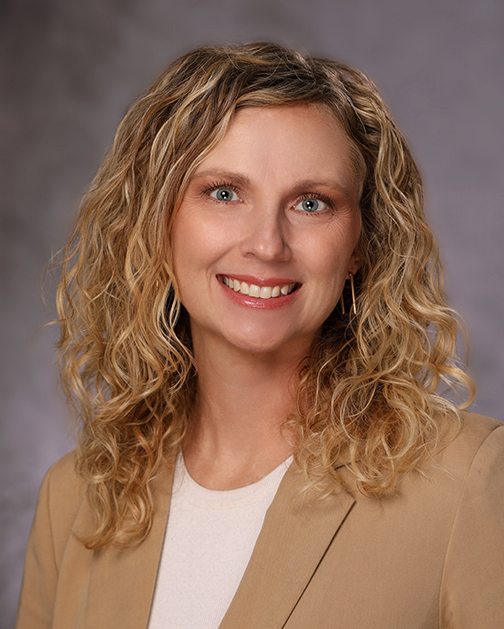
KELSEY BERGEN serves as executive director of the Aurora Development Corporation. She can be reached at kelsey@growaurora.com
Trust, communication key to economic development
Body