
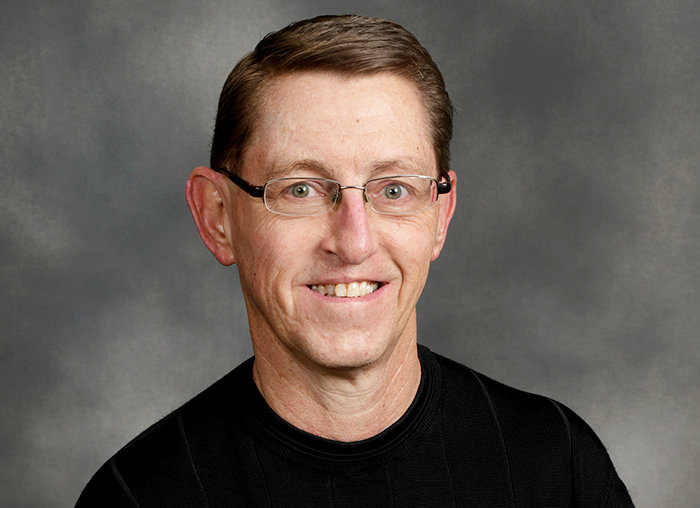
It looked like just another mole to me.
The small brown spot on my lower right cheek would have gone unnoticed by most people, but in fact it was an example of the most common form of all human cancers. Basal cell carcinoma was the biopsy diagnosis, though I’ve lost track of how many times my dermatologist has delivered that news.
The Johnson family, like many in America and around the world, is very susceptible to skin cancer, with light complexions not receptive to the sun’s penetrating rays. Like anyone else, I happen to think a little color helps improve my ordinary mug, but unfortunately that’s a risk/reward game in which the long-term risks far outweigh the short-term rewards.
I grew up in a household very much aware of that reality, as my father had countless spots removed over the years, including some melanomas, which can be life-threatening. Dad wore many scars from his battle with the sun on his face, back and shoulders, despite always wearing sun lotion with the highest possible protection rating long before that was a common trend.
Telling a teen-ager that the sun can be deadly is a tough sell, most parents would agree. Doing anything and everything outside is Kid 101, or at least it was when I was growing up. The last thing most kids will think of, on their own, is to protect their skin from Mother Nature’s warmth. I remember girls in my class lathering up with baby oil and even iodine as they headed for the beach or swimming pool, hoping to soak up some sun and add a “healthy glow” to their bodies. I cringe now thinking back on those beach parties at the lake, though realizing that not everyone is as susceptible to skin damage as I was and still am.
Our daughters heard the sun lotion gospel preached repeatedly during their teenage years, probably much to their chagrin. In later years they thanked us, though at the time I’m sure they were thinking that Mom and Dad were exaggerating the consequences. We weren’t, and thankfully they were much faster learners than I was.
I remember, for example, going snow skiing years ago when I lived in California. For some reason I skipped the sun lotion that morning, ending the day with a red hot face clearly marking where my goggles had been. My face blistered badly for a week, making me wonder years later how much that one mindless episode led to surgical spot removals. I don’t think I want to know.
The good news is that skin cancer awareness has increased in recent years, according to medical studies. Tanning beds aren’t as popular as they once were and there are lotions and light clothing specifically designed to let you enjoy fun in the sun with a decent level of comfort and protection.
Even with stitches still in my cheek, skin cancer won’t keep me off the golf course. A hat and lotion are just par for my course, and I can live with that.
KURT JOHNSON can be reached at kjohnson@ hamilton.net
‘Sunshine can be deadly’ a hard sell to youngsters
Body