
Concern growing with delayed care, confused patients
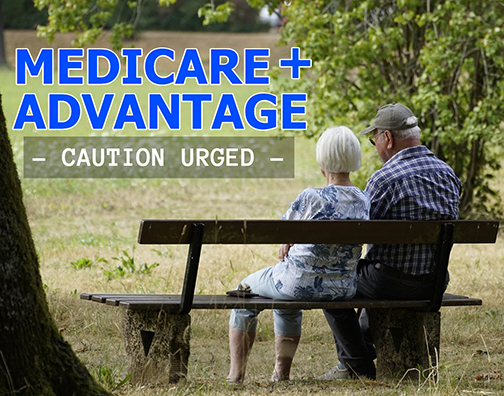
With three weeks remaining in the window for senior citizens to select and change the type of medical coverage they want for 2024, Memorial Community Health is urging residents to do their homework, whether they seek traditional Medicare or coverage through a Medicare Advantage plan.
While Medicare Advantage (MA) plans have been available for some time, the percentage of Nebraska residents choosing that option has risen to more than 50 percent of all Medicare eligible individuals, up from just over one-third of seniors five years ago, according to a report issued by the Nebraska Hospital Association, written in conjunction with the Nebraska Rural Health Association. That, MCHI officials say, is raising levels of concern for those who do not fully understand the differences in coverage.
“We have seen Medicare Advantage plans limit the providers you can see, limit services, or place burdensome authorization rules on patients,” noted Justin Wolf, CEO of Memorial Community Health in Aurora. “Memorial Community Health is committed to providing exceptional healthcare in the community and do not want anyone to be surprised by their options, should they need care.”
The NHA report issued last month cautioned that patient access to health care is eroding as some Medicare Advantage plans restrict access to health services by “inappropriately denying covered services that are medically necessary, requiring unreasonable levels of documentation to demonstrate clinical appropriateness, and changing health plan rules in the middle of the contract year.”
According to the NHA report, 13 percent of all medication and procedure requests were denied by MA plans last year, compared to nearly 0 percent denials for traditional Medicare. A denial means that a patient has to either pay the full out-of-pocket costs of treatment or forego recommended medical care altogether.
“The biggest problem that we see is somebody will get ahold of these people and sell them something, but they really don’t know what it is,” noted Phil Fendt, chief financial officer at MCHI. “They may think they still have Medicare, but they don’t have Medicare at all. It’s an insurance plan.”
While some MA enrollees see savings through lower initial premiums, the NHA reports that many living in rural communities across the state are losing access to medical care with plans that erode the state’s rural health care infrastructure.
“This issue is kind of coming to the forefront a little more,” Fendt said. “We’ve just seen it get progressively worse as far as on our end of it, with people having to get preauthorized to get something done that wouldn’t need preauthorized if you had traditional Medicare.”
Another example of frustration, Wolf noted, is that MCHI has had people get a $1,200 pharmacy bill they weren’t expecting.
“They (policy administrators) have 15 days to review, so often the patient has been home for a week and they get a bill for medication they thought was covered, that we delivered to them out of our pharmacy,” Wolf said. “Now the patient gets charged for that and they don’t like that. I wouldn’t like that, either.”
Fendt noted another example where a patient was charged $325 for each outpatient visit to the hospital, a charge not previously billed under traditional Medicare.
“Traditionally that’s a Medicare supplement, so you’re not going to pay that,” he said. “People don’t realize that there is going to be a cost if you use it. If you don’t go to the doctor and don’t get put in the hospital, it’s great because the premiums are low. The kicker is having people understand what they are getting.”
“Another concern is that you can only enroll one time a year,” Wolf continued. “Now you need to get something done and whoa, that wasn’t what I actually wanted, but now it’s considerably more expensive, or has limited options, or burdensome prior authorization rules or something changes their perception. That’s a challenge, because there are some limitations on going back to traditional Medicare.
“Of course people say they want to pay less for my health insurance, and I’d love free hearing aids,” Wolf added. “Who wouldn’t? But there is more to it than that.”
Delayed access to care
Fendt and Wolf say that in addition to unexpected bills being sent to local patients, they are concerned that some may be experiencing delayed access to care.
“Some of these plans limit the choices you can go to, like they’ll say there are five (health) centers and if you want coverage you have to go to this one,” Wolf said. “So they’ll make people drive to Lincoln or Grand Island based on a service that we have right here in Aurora, which is difficult to get through. They put up a lot of safeguards to slow or reduce care, and that is their business model. Those are the rules, so write your senator, but we want to make sure people know what they’re signing up for.”
Fendt said his main concern involves residents contacted by “fly-by-night” sales people who don’t explain the details, but lead with a benefit such as “free dentures,” which gets people’s attention.
“If they are local they’re helping them and I think they are honest with them,” Fendt said. “I just think it’s the guys that are cold calling and promising things without explaining the details, then they have nobody to go to besides an 800 number that you’re never going to get through on.”
The Nebraska Hospital Association report went on to say that Nebraska seniors should understand that not all Nebraska hospitals contract with MA plans, reporting that nearly one-third of Nebraska hospitals refuse to contract with certain MA plans.
“We talked about that, but it wouldn’t be this year,” Wolf said. “It would be very disruptive for this year,” though he said it is a possibility that could be considered next year.
“We encourage Medicare recipients to consider opting for traditional Medicare along with any traditional Medicare supplemental plan that may be desired,” Wolf concluded. “If a Medicare Advantage plan has already been selected, we recommend recipients check with their plan administrators to be sure they understand their coverages.”
For additional information, seniors are encouraged to call the Nebraska State Health Insurance Assistance Program (1-800-234-7119); 1-800-MEDICARE; their Medicare Advantage Plan administrator; or MCHI, at 402-694-3171.